
Access Denver Divorce Case Files
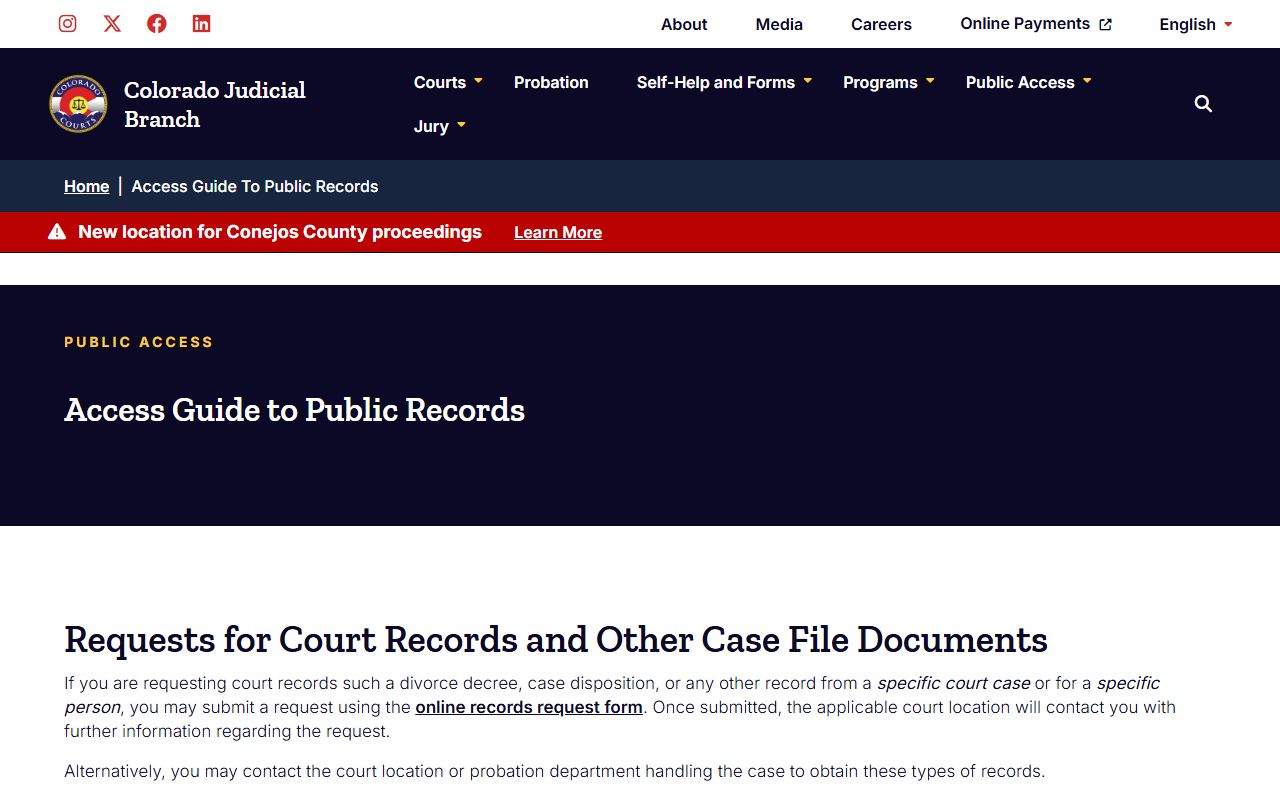
Finding divorce records in Denver starts with the District Court. The Second Judicial District serves the city and county. Case files are kept at the court clerk's office. You can request copies of decrees, petitions, and judgments. Many records date back decades. Denver operates as both a city and county. This means all divorce filings for residents are handled in one location. The court maintains both physical and digital records. Some older files may be stored off-site. Always call ahead to confirm availability.
Denver District Court Divorce Records Location
The Denver District Court handles all divorce cases for city residents. The courthouse sits at 1437 Bannock Street in downtown Denver. This location serves as both the city and county court. All divorce filings, hearings, and final decrees occur here. The court is part of the Second Judicial District. It has jurisdiction over domestic relations matters.
You can visit the clerk's office in person. The office is open during regular business hours. Staff can help you locate case files. You will need basic information to start your search. This includes names of the parties and approximate dates. Case numbers speed up the process significantly. Without a case number, staff must search by name.
The court maintains records going back many years. Older cases may be archived off-site. Retrieval of archived files takes extra time. The court follows C.R.S. § 14-10-106 for filing requirements. This statute covers residency rules and procedures. Denver's combined city-county status simplifies the process. Residents do not need to travel to multiple courts.
Obtaining Certified Copies of Divorce Decrees
Certified copies carry legal weight. You need them for name changes and remarriage. The court charges $20 per certified document. This fee is set by Chief Justice Directive 06-01. Standard copies cost $0.25 per page. These are useful for personal reference only.
To request copies, visit the clerk's office. Fill out a record request form. Provide the case number if you have it. Include full names of both parties. State the year of the divorce. The court will locate the file. Staff will calculate your total cost. Payment is required before copies are made.
You can also request records by mail. Send your written request to the court address. Include a check or money order. Allow several weeks for processing. Rush requests may cost extra. Call 720-865-8300 for current procedures. The court follows CJD 06-01 for all fees.
Online Tools for Denver Divorce Case Lookup
The Colorado Judicial Branch offers online docket searches. This tool shows basic case information. You can view the register of actions. This lists all filings and court dates. However, you cannot view actual documents online. For copies, you must contact the court directly.
Third-party vendors provide additional access. These include LexisNexis and Background Information Services. They offer real-time data from court databases. Note that these are not official records. The Colorado Judicial Branch provides this data. But it does not guarantee accuracy. Always verify with the court for legal matters.
The online docket search is free to use. Visit coloradojudicial.gov/dockets to start. You will need names or case numbers. Results show case status and hearing dates. This helps you track active cases. It also helps locate closed cases. Save time by gathering information online first.
Understanding Denver Divorce Filing Requirements
Colorado law sets clear rules for divorce. Either spouse must live in the state for 91 days. This is required by C.R.S. § 14-10-106. The same rule applies in Denver. You must file in the county where you reside. Since Denver is a combined city-county, all residents file locally.
The filing fee for divorce is $260. This increased in January 2025 per HB 24-1286. Fee waivers are available for those who qualify. Submit a motion to file without payment. The court reviews these requests individually. Low-income residents may receive full waivers.
After filing, there is a 91-day waiting period. The court cannot issue a decree sooner. This gives couples time to reconcile. It also allows for property division talks. Parenting plans must be submitted for children. The court prioritizes the best interests of minors. C.R.S. § 14-10-124 governs these arrangements.
Denver Divorce Records for Genealogy Research
Family historians often seek old divorce records. Denver's archives contain valuable information. Cases from the 1800s are available. These records show family structures. They reveal migration patterns. They also document name changes over time.
The Colorado State Archives holds older records. Some Denver cases are stored there. Contact them for access procedures. The archives are located at 1313 Sherman Street. They offer research assistance. Appointments may be required for fragile documents.
Online resources can help too. The archives has a searchable database. It covers many historical divorce cases. Results show case numbers and dates. You can then request full files. This service helps genealogists nationwide. Denver's long history provides rich documentation.
Vital Records Verification Through CDPHE
The Colorado Department of Public Health and Environment verifies divorces. They do not provide full case files. Instead, they confirm that a divorce occurred. This is useful for legal purposes. Verification costs $17 per request.
Order verifications through VitalChek online. Or mail a form to CDPHE. The address is 4300 Cherry Creek Drive South, Denver. Include payment and identification. Processing takes about two weeks. Rush service costs extra.
Call CDPHE at 303-692-2200 with questions. They cannot provide detailed case information. For that, contact the District Court. The two agencies work together. Each serves different needs. Choose the right office for your request.
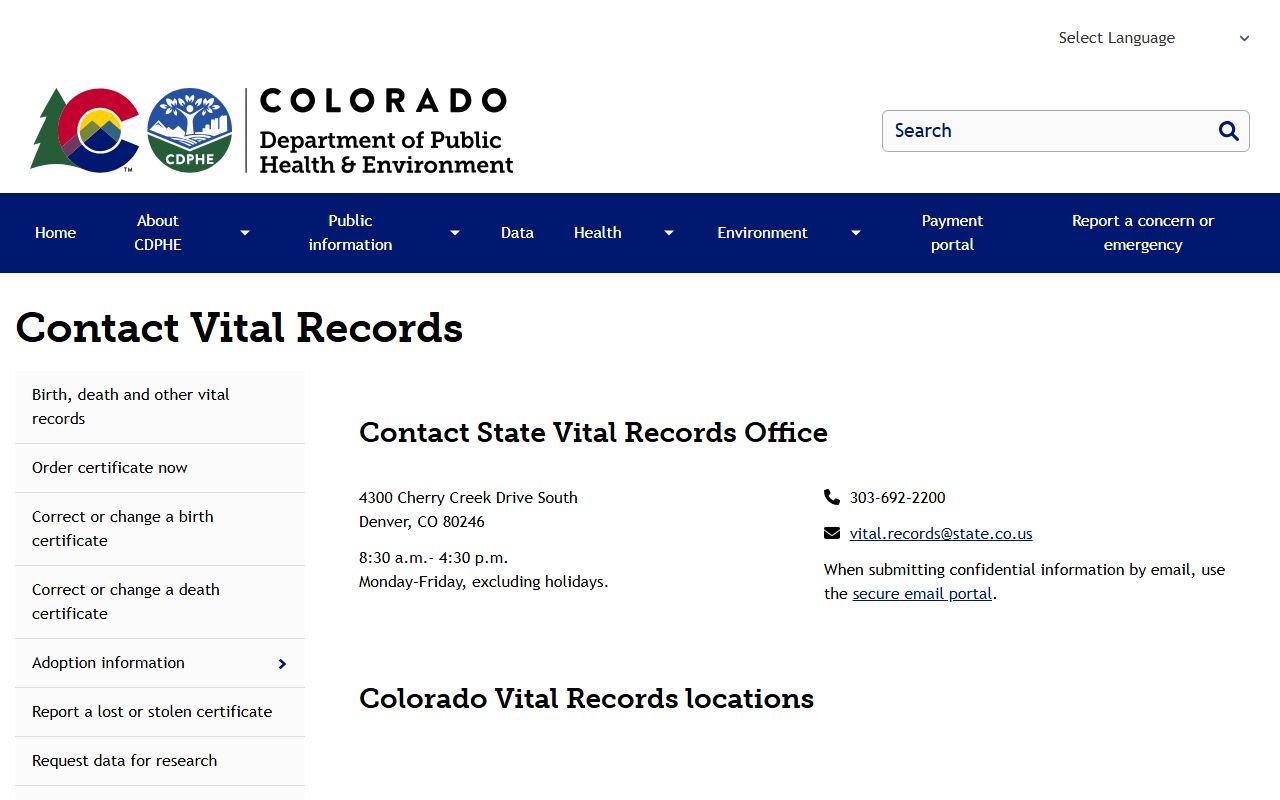
Note: CDPHE verifications only confirm that a divorce took place, not the specific terms or property settlements.
Common Questions About Denver Divorce Records
Many people ask about sealed records. Some divorce files are confidential. This happens when privacy is needed. Juvenile matters stay sealed. Financial details may be restricted. You need a court order to access these. The judge decides on a case-by-case basis.
Others wonder about electronic access. The court offers e-filing for ongoing cases. This is available at colorado courts efiling. You can view your own case documents. But you cannot access other people's files. Privacy rules protect all parties.
Response time varies for record requests. Simple requests take a few days. Complex searches need more time. Off-site retrieval adds delays. Plan ahead for urgent needs. The court processes requests in order received. Patience ensures accurate results.