
Greeley Dissolution of Marriage Files
Greeley serves as the Weld County seat and hub for northern Colorado divorce records. All marriage dissolution cases for Weld County residents are filed here. The District Court maintains comprehensive files for every divorce proceeding. These records serve legal, personal, and genealogical purposes. Former spouses often need copies years after the final decree. This guide helps Greeley residents and former residents locate their divorce documents efficiently through proper channels.
Weld County District Court Divorce Records
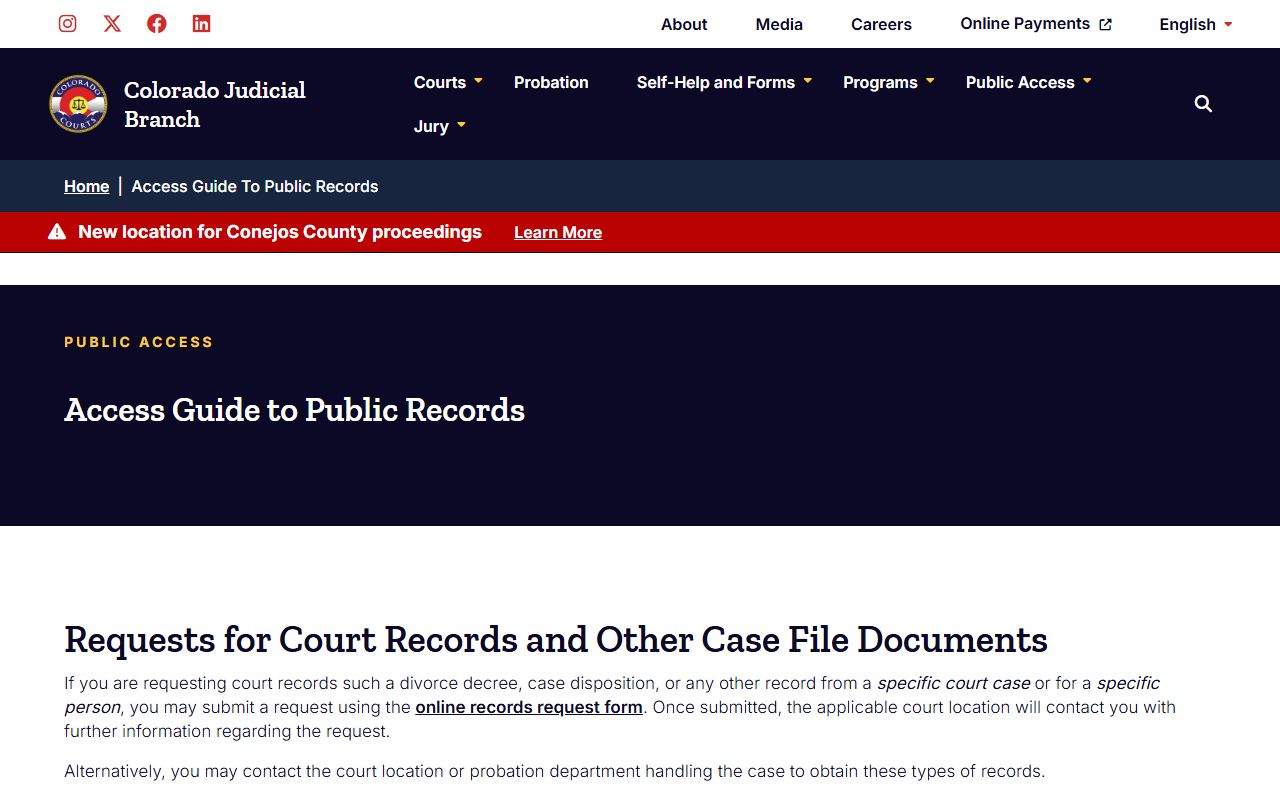
The Weld County District Court handles all Greeley divorce filings. Their office sits in the Weld County Courthouse. The address is 901 9th Street in Greeley. This location serves all of Weld County. Divorce cases from nearby towns also file here. The court maintains complete case files. These include every document filed during proceedings.
Visiting the courthouse offers the fastest service. Bring valid photo identification. Know the names of the divorced parties. Estimate the year of the divorce. Staff will search their index system. They can locate most cases quickly. You can request copies on the spot. Certified copies cost $20 each. Regular copies run $0.25 per page. Large files may take time to reproduce.
The Clerk of District Court manages these records. Their office handles thousands of cases annually. Divorce makes up a significant portion. They follow Colorado rules for public access. Some records remain confidential. Financial information may be restricted. Custody details could be sealed. Staff will explain what you can view.
Note: Weld County District Court in Greeley maintains all divorce records for the entire county jurisdiction.
State Divorce Verifications for Greeley Cases
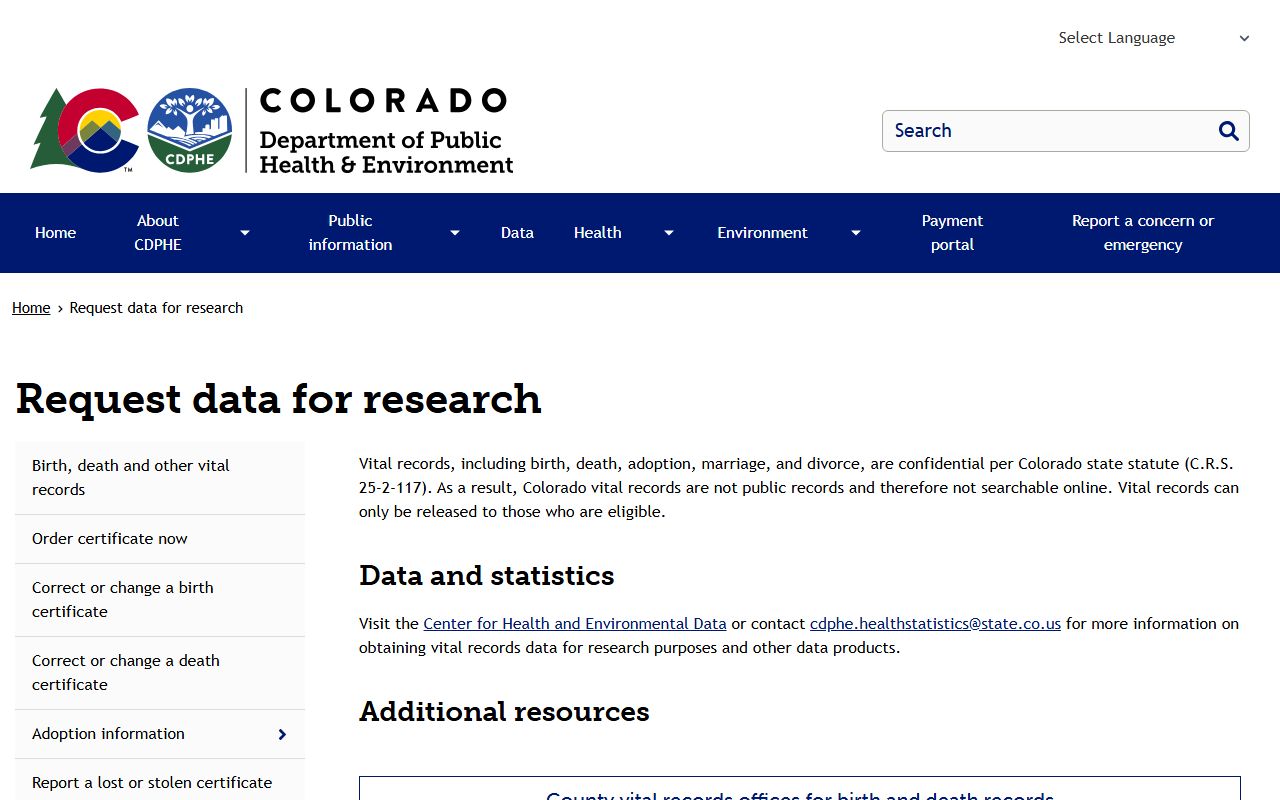
Colorado offers a second record type. The Department of Public Health and Environment provides verifications. These confirm a divorce occurred. They do not contain case details. A verification lists the divorced parties. It states the date of dissolution. It names the county that granted it. This document works for many purposes.
CDPHE maintains records from all counties. This includes all Weld County divorces. Their database covers decades of filings. You can request verification by mail. Send your request to 4300 Cherry Creek Drive South, Denver, CO 80246. Include a completed application form. Enclose payment of $17. Make checks payable to Vital Records Section.
Online ordering provides faster service. VitalChek partners with CDPHE for electronic requests. Visit their website to begin. Enter the required information. Pay with a credit card. Service fees will apply. Processing takes less time than mail. You can track your order status. This option suits urgent needs.
Call CDPHE at 303-692-2200 for questions. Their staff answers public inquiries. They explain the verification process. They clarify eligibility requirements. Lines are open weekdays only. Plan your call accordingly.
Searching Greeley Divorce Records Online
Free online tools help locate cases. The Colorado Judicial Branch maintains a docket search. This system covers all counties. It includes Weld County divorces. You can search by party name. Case numbers work too. Attorney names produce results. No registration is required.
The docket shows basic information. You will see filing dates. Case status appears clearly. Scheduled hearings are listed. Party names are displayed. This helps confirm a case exists. It tells you where to look next. Dockets do not show document contents. They serve as an index only.
CoCourts.com offers deeper searches. This commercial system charges fees. It shows registers of action. These detail case proceedings. You can see what was filed. Hearing dates are listed. Dispositions appear when entered. Document images are not included. You must visit the court for those.
Effective searching requires preparation. Gather complete names before starting. Note any alternate spellings. Estimate the divorce timeframe. Five-year ranges work well. Have the county name ready. Bring patience to the process. Older cases may need manual searching.
Colorado Divorce Filing Requirements
Colorado law sets strict filing rules. C.R.S. § 14-10-106 governs residency. One spouse must live here 91 days. This period must end before filing. Greeley residents easily meet this standard. They file in Weld County District Court. The filing spouse must be the resident.
Children have longer requirements. They need 182 days in Colorado. This applies to custody decisions. Courts want stable jurisdiction. They avoid competing state orders. The 182-day rule prevents confusion. It protects children from disputes. Parents must document residency.
Waiting periods affect all divorces. Colorado requires 91 days minimum. This starts at filing or service. Courts cannot waive this time. It allows for possible reconciliation. Most couples negotiate during this period. Settlement agreements often form then. The delay benefits many families.
Note: Greeley residents must complete the 91-day waiting period before a divorce decree can be entered by the court.
Understanding Greeley Divorce Document Types
Different divorce documents serve different needs. The divorce decree holds highest importance. This court order ends the marriage. A judge signs the final version. It contains all court orders. Parental responsibilities are detailed. Property division is specified. Support obligations are stated. This document proves you are divorced.
The petition for dissolution starts cases. One spouse files this document. It states basic facts. The marriage date appears. Any children are named. Property claims are outlined. Relief requests are listed. The other spouse receives a copy. They have time to respond.
Settlement agreements resolve most cases. Spouses negotiate these contracts. They divide marital assets. They allocate marital debts. Parenting plans are attached. Child support follows guidelines. Spousal maintenance may be included. Judges review for fairness. Approved agreements become enforceable orders.
Case files contain many other papers. Financial affidavits disclose assets. Motions request court action. Responses argue against requests. Orders command specific conduct. Subpoenas compel testimony. These documents create the complete record. They tell the full story.
Costs for Greeley Divorce Records and Filings
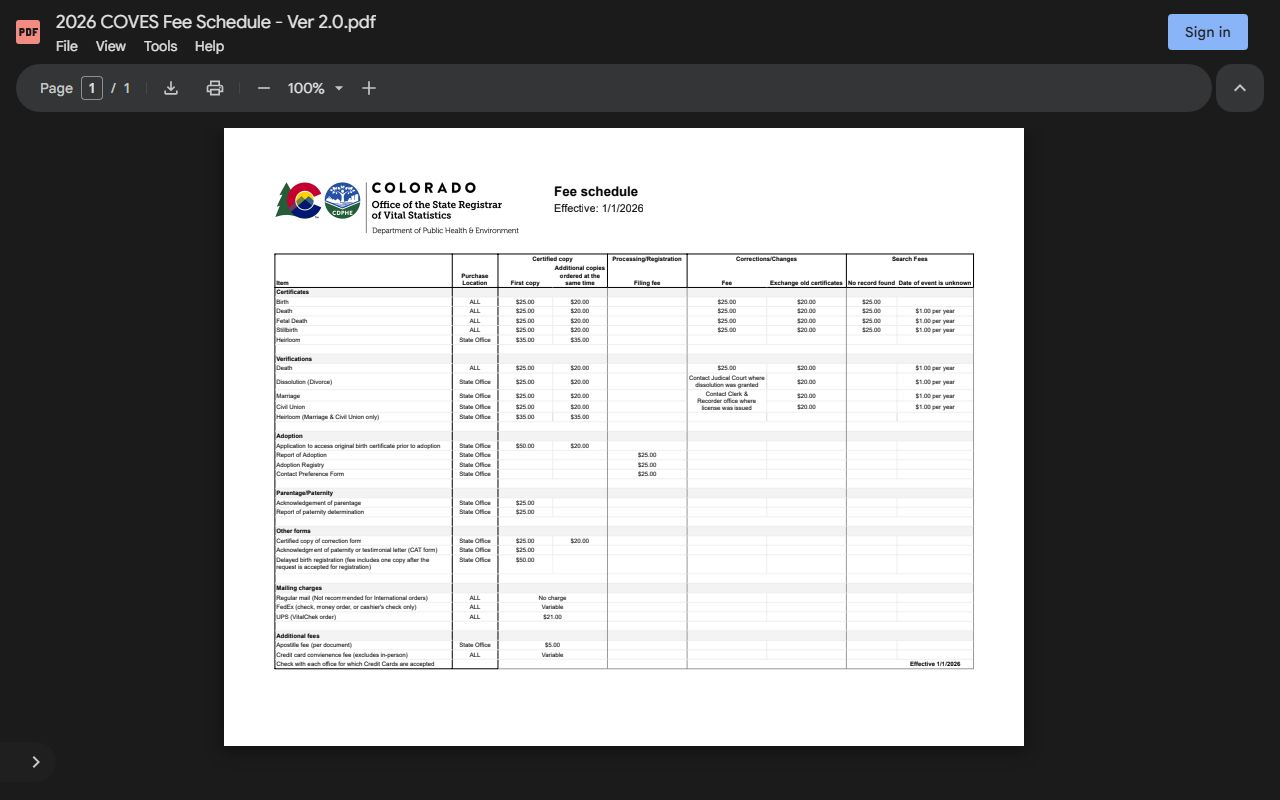
Understanding costs helps you plan. CDPHE verifications cost $17. This is a flat state fee. Payment methods vary by order type. Mail orders accept checks. Online orders use credit cards. Processing fees add to online costs. Budget for these expenses.
Court filing fees differ by action. New divorce petitions cost $260. This fee increased recently. Legislative action raised the amount. Responses to petitions cost $146. Post-decree motions cost $105. Name changes within 60 days are free. These fees fund court operations.
Copy fees are more affordable. Regular copies cost $0.25 per page. Most documents run several pages. Certified copies cost $20 each. These carry the court seal. They serve official purposes. Exemplified copies cost $20 too. Research fees may apply. Staff time costs $30 per hour.
Fee waivers assist qualified filers. You must show financial hardship. Complete the waiver application. Submit it with your petition. The judge reviews your request. Approval covers filing fees only. Copy costs may still apply. Ask the Clerk about options.
Legal Resources for Greeley Divorce Matters
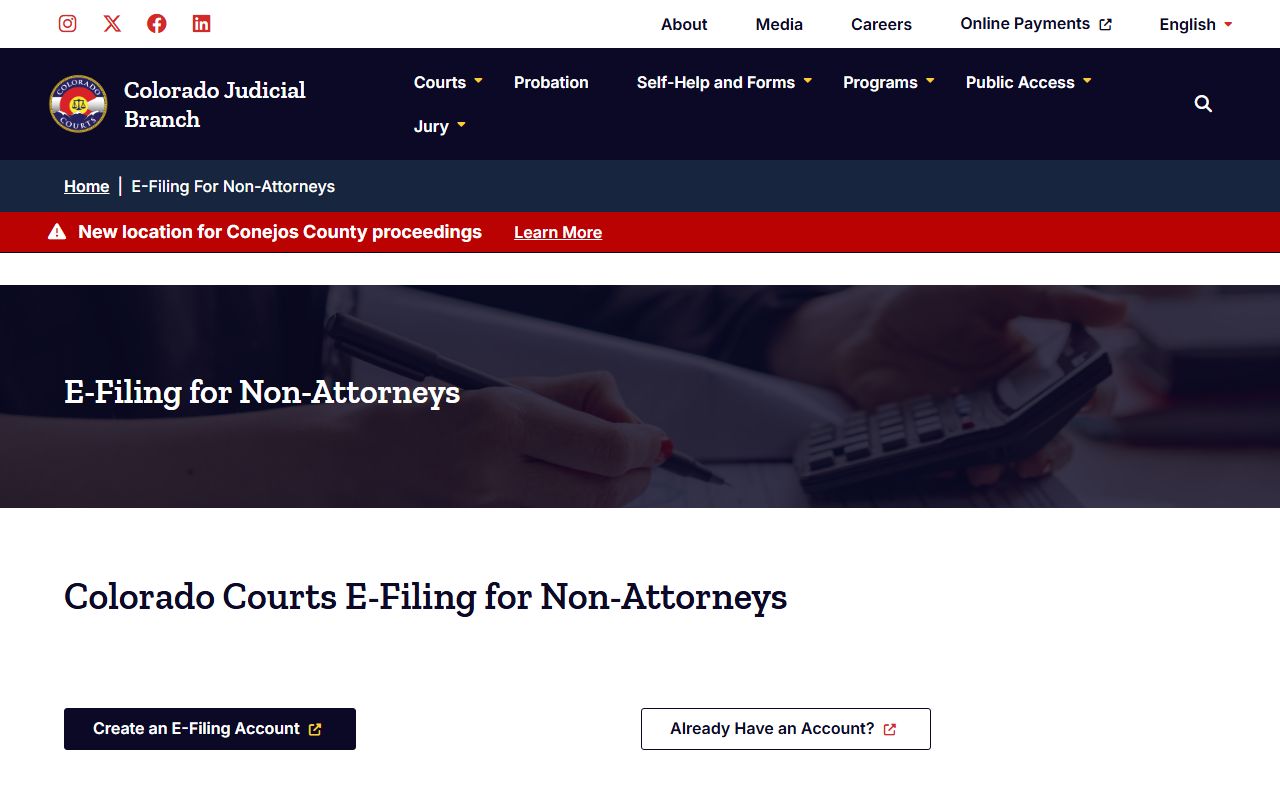
Many people need help beyond records. Legal questions often arise. Court staff cannot give advice. They explain procedures only. They show you available forms. They describe office policies. You must make legal decisions yourself. Consider consulting an attorney.
Self-help resources are available. Colorado courts publish forms online. Instructions accompany each document. You can complete many yourself. Some cases need simple filings. Others involve complex issues. Evaluate your situation honestly. Seek help when needed.
Legal aid serves eligible residents. Colorado Legal Services assists low-income people. They handle family law matters. Divorce modifications are common. They explain record meanings. They help with enforcement issues. Services are free for qualifiers. Contact them to apply.