
Longmont Marriage Dissolution Files
Longmont spans two Colorado counties, creating unique challenges for divorce record access. The city sits in both Boulder and Weld Counties. This means divorce records could be in either courthouse. Knowing which county processed your case saves time. Former Longmont residents often need help locating their records. This guide explains how to find divorce documents for both county jurisdictions.
Finding Longmont Divorce Records by County
Longmont's position affects record location. The western parts are in Boulder County. The eastern areas fall within Weld County. Your divorce records sit in the county where you filed. Many residents forget which courthouse they used. You may need to check both locations.
Boulder County District Court serves west Longmont. Their courthouse is at 1777 6th Street in Boulder. You can reach them at 303-441-3750. This office handles all west side divorces. They maintain complete case files. Staff can search their records. Certified copies cost $20 each.
Weld County District Court serves east Longmont. Their office is at 901 9th Street in Greeley. The phone number is 970-475-2400. This courthouse handles east side cases. They keep comprehensive files too. Both courthouses offer similar services. Copy fees are standardized statewide.
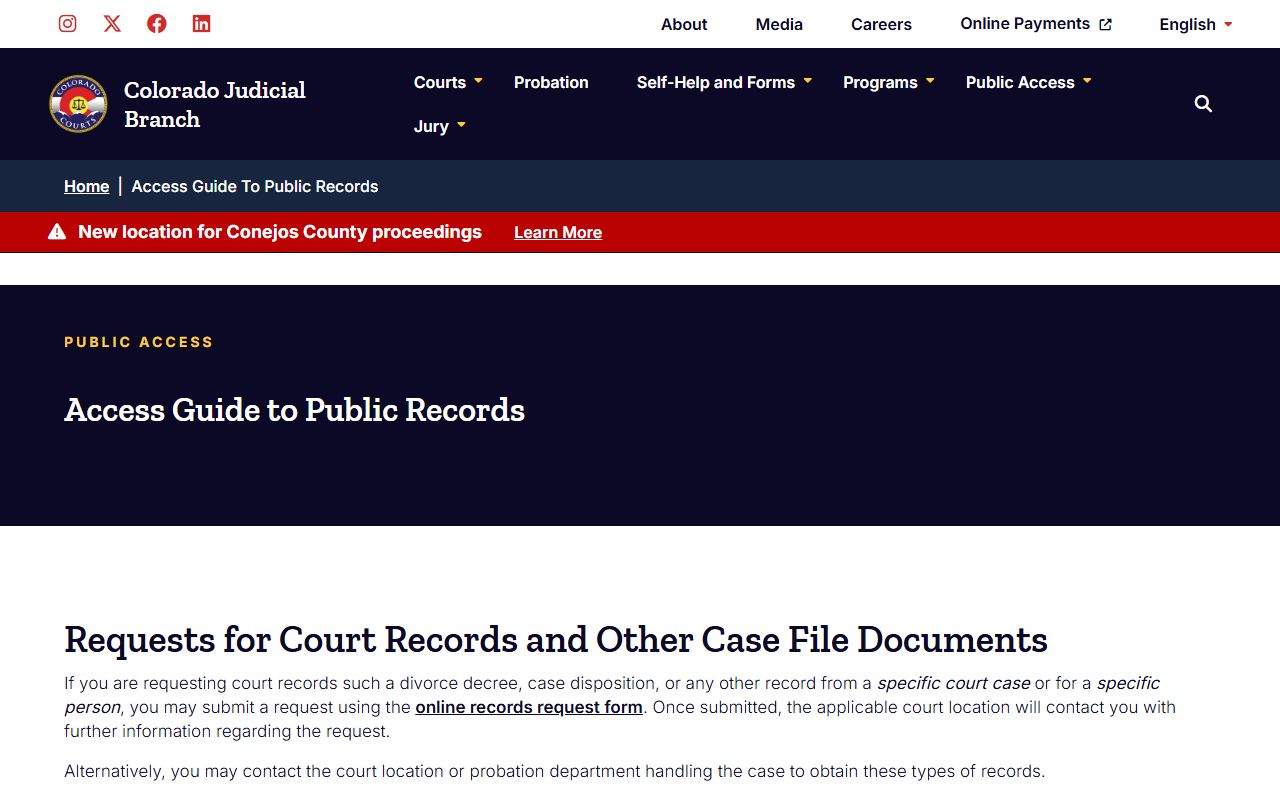
Online searches can identify the correct county. Use the Colorado Judicial Branch docket search. Enter the names of both parties. The results will show the county. This saves a trip to the wrong courthouse. The search is completely free. No registration is required.
Statewide Divorce Verifications for Longmont Residents
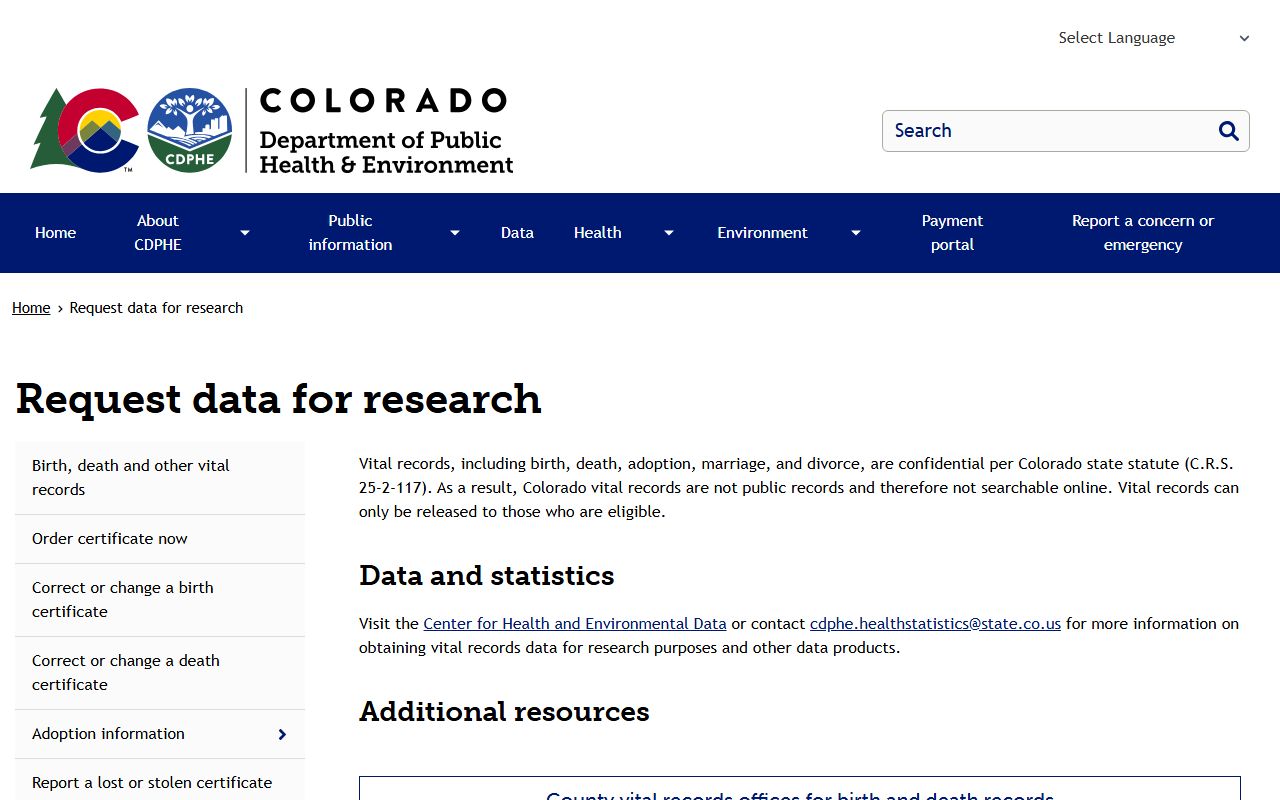
CDPHE offers an alternative for Longmont residents. They provide divorce verifications statewide. This works regardless of which county granted the divorce. Boulder County and Weld County both report to them. You get the same document either way.
A verification confirms basic facts. It shows the divorce occurred. Names of both parties appear. The date is clearly stated. The county of dissolution is listed. This document works for many purposes. Name changes often require it. Remarriage licenses need it. Some employers ask for it.
The cost is $17 per verification. Mail requests go to Vital Records Section, 4300 Cherry Creek Drive South, Denver, CO 80246. Include a completed application. Make checks payable correctly. Processing takes several weeks. Online orders through VitalChek are faster. Service fees apply.
Note: Longmont residents can verify divorces from either Boulder or Weld County through CDPHE with a single request process.
Online Search Tools for Longmont Divorce Cases
The internet simplifies searching for Longmont divorces. The Colorado Judicial Branch docket search is free. It covers all 64 counties. Boulder County cases appear here. Weld County cases appear too. You can search by name. Case numbers work well. Results show immediately.
Docket information helps identify the correct county. You will see which courthouse handled the case. This directs your next steps. No need to visit both locations. You save time and effort. The docket shows basic facts. Filing dates appear. Current status is displayed.
CoCourts.com provides more details. This service charges fees. It shows registers of action. These list case events chronologically. You can see what was filed. Hearings appear on the timeline. Dispositions show when entered. Financial details remain private. Document images are not viewable.
Good preparation improves search success. Collect complete legal names. Note any name changes. Estimate the divorce year. A five-year range works well. Remember if you lived east or west. This hints at which county. Be ready to search both if needed.
Colorado Divorce Requirements for Longmont Residents
State law applies equally in both counties. C.R.S. § 14-10-106 governs residency. One spouse must live in Colorado. Ninety-one days is the minimum. Longmont residents satisfy this easily. They file in either Boulder or Weld County. The choice depends on their address.
Children have separate residency rules. They need 182 days in Colorado. This applies to custody decisions. Courts seek stable home states. They prevent competing orders. The longer period ensures consistency. Children's welfare is protected. Parents cannot forum shop.
Waiting periods apply to all divorces. Colorado requires 91 days minimum. This starts at filing or service. Courts cannot waive this time. The delay allows for reflection. Couples might reconcile. Most negotiate settlements. The period ensures thoughtful outcomes.
Note: Longmont residents must complete the 91-day waiting period regardless of whether they file in Boulder or Weld County.
Types of Divorce Documents Available for Longmont
Multiple document types exist in divorce cases. The decree of dissolution is most important. This court order ends the marriage. A judge signs the final version. It contains all court orders. Parental responsibilities are allocated. Child support is ordered. Property is divided. This proves you are divorced.
The petition for dissolution starts every case. One spouse files this paper. It states the marriage is irretrievably broken. Basic facts are listed. The marriage date appears. Children are named. Property claims are outlined. The other spouse responds.
Settlement agreements end most disputes. Spouses negotiate these contracts. They divide marital property. They allocate marital debts. Parenting plans are attached. Child support follows guidelines. Spousal maintenance may be included. Judges review for fairness. Approved agreements become enforceable.
Complete files hold many other papers. Financial affidavits disclose assets. Motions request court action. Responses argue against requests. Orders direct party conduct. Subpoenas compel testimony. These documents create the full record.
Costs for Longmont Divorce Records and Filings
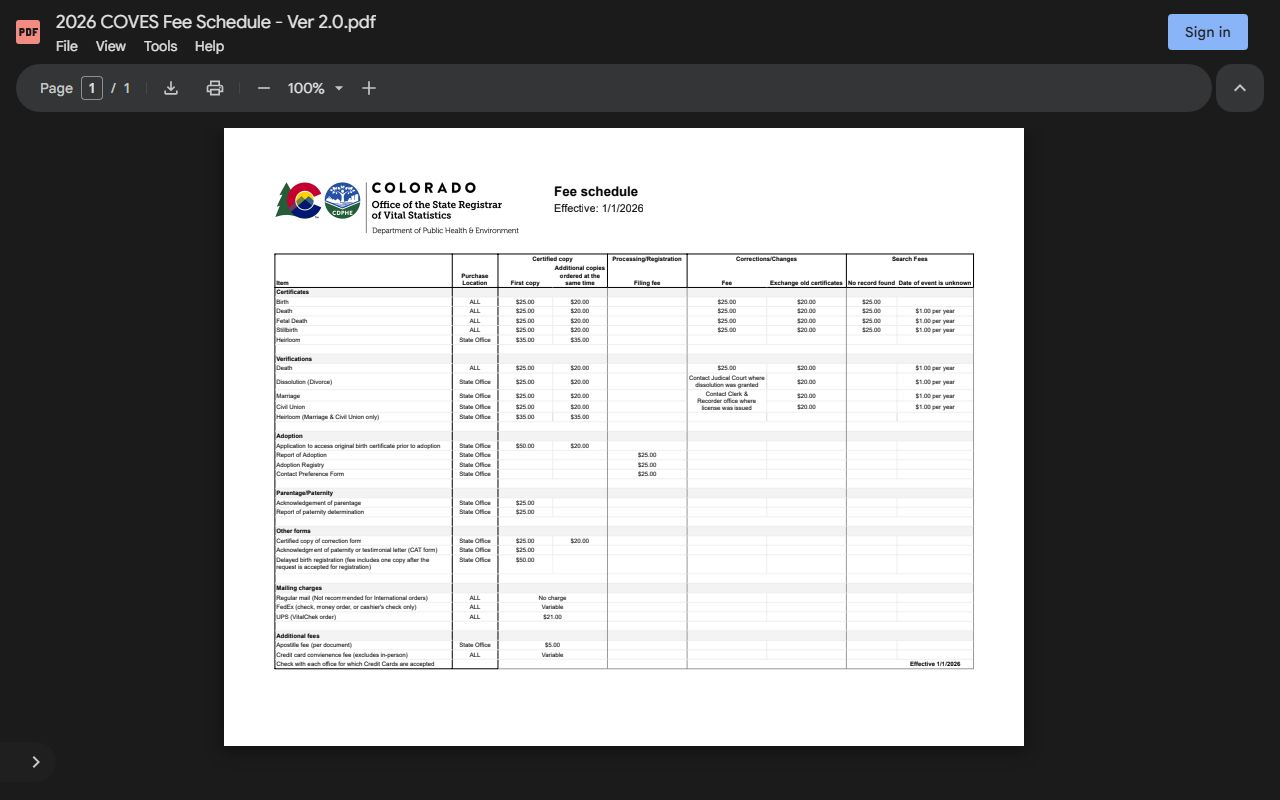
Understanding fees helps you plan. CDPHE verifications cost $17. This state fee is standard. Payment methods vary by order type. Mail orders use checks. Online orders use cards. Processing fees apply electronically. Budget for total costs.
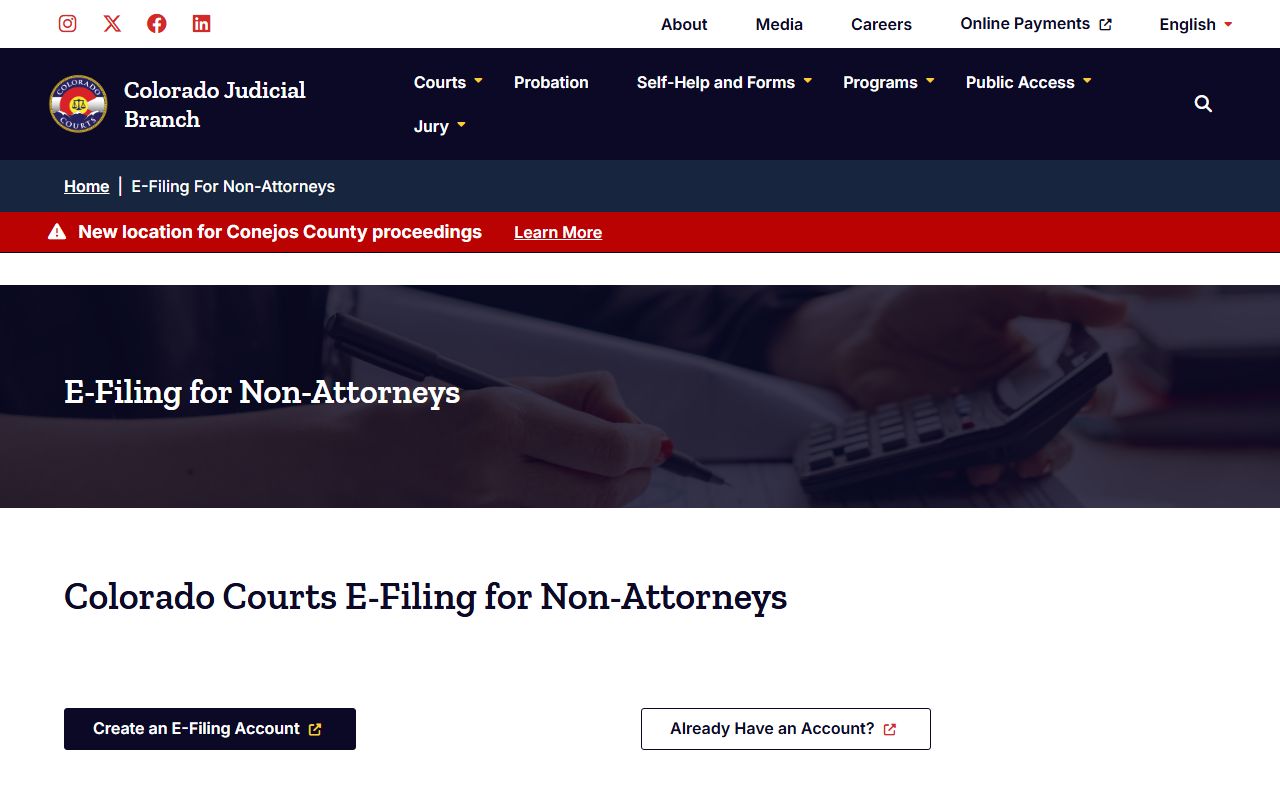
Court filing fees are uniform statewide. New divorce petitions cost $260. This fee recently increased. House Bill 2024-1286 changed amounts. Responses cost $146. Modifications cost $105 when filed late. Name restoration is free within 60 days. These fees fund operations.
Copy fees are affordable. Regular copies cost $0.25 per page. Most documents have multiple pages. Certified copies cost $20 each. These carry the court seal. They serve official purposes. Exemplified copies cost $20. Research fees apply after one hour.
Fee waivers assist qualified filers. You must show financial hardship. Complete the waiver form. Submit it with your petition. A judge reviews requests. Approved waivers cover filing fees. Copy costs may still apply. Ask either Clerk for information.
Legal Assistance for Longmont Divorce Matters
Many people need extra guidance. Court staff provide procedural help. They explain office processes. They show available forms. They describe filing requirements. They cannot give legal advice. They do not interpret documents. You make your own decisions.
Self-help resources are available. Colorado courts publish forms online. Instructions accompany each document. Many are completed independently. Some cases are straightforward. Others involve complex issues. Assess your situation honestly. Seek help when necessary.
Legal aid serves eligible residents. Colorado Legal Services assists low-income people. They handle family law matters. Divorce record questions are common. They help with modifications. Services are free for qualifiers. Income guidelines apply. Contact them for information.