
Pueblo Marriage Dissolution Documents
Pueblo serves southern Colorado as the seat of Pueblo County. All divorce proceedings for county residents flow through the local District Court. The courthouse maintains comprehensive files for every marriage dissolution case. These records document the legal end of marriages for thousands of families. Former spouses often need certified copies for various life changes. This resource guides you through locating and obtaining Pueblo divorce records through official channels.
Pueblo County District Court Record Access
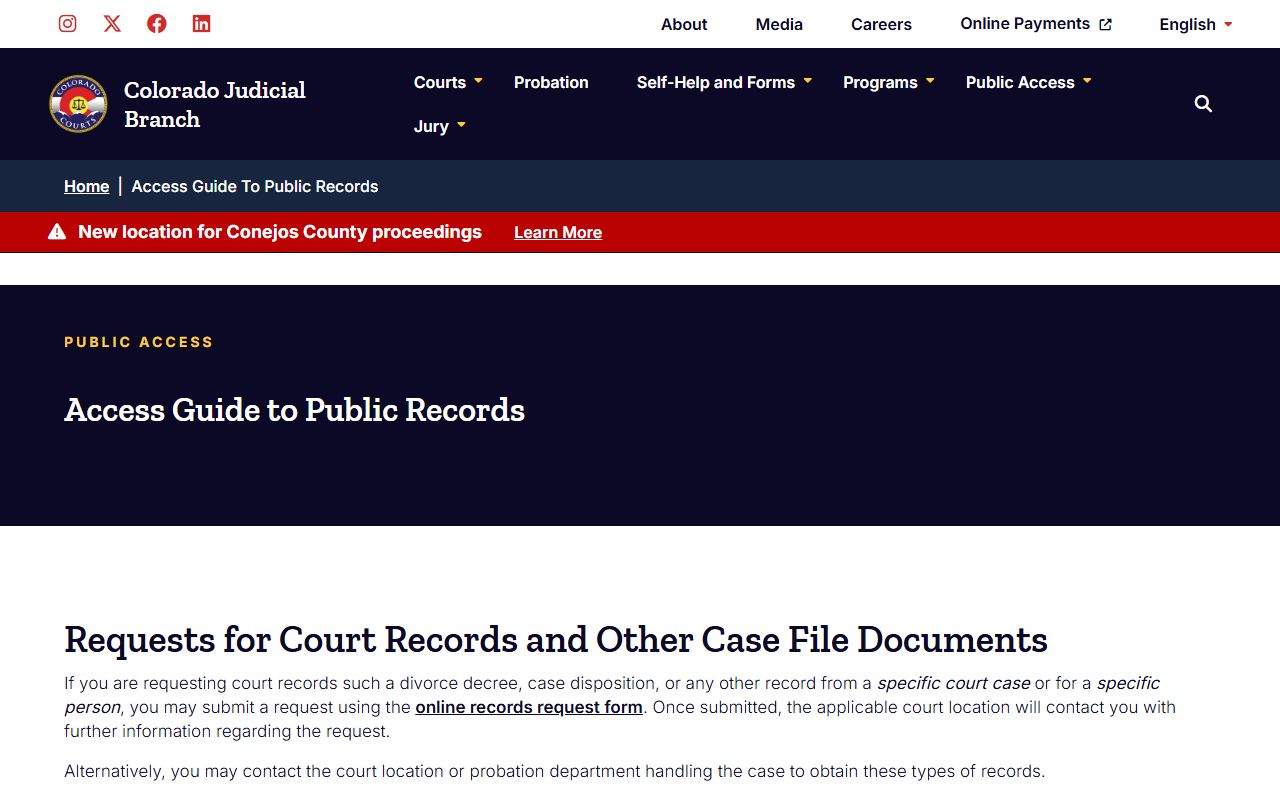
The Pueblo County District Court maintains all local divorce records. Their courthouse stands at 320 West 10th Street in Pueblo. This building houses the Clerk of District Court office. Staff there manage thousands of case files. Each file contains complete divorce documentation. You can access these records in person. The office operates during regular business hours.
Visiting the courthouse brings quick results. Bring government-issued photo identification. Know the names of the divorced parties. The approximate year helps tremendously. Court staff will search their indexes. Most cases from recent decades are computerized. Older cases may need manual searching. Certified copies cost $20 per document. Regular copies run just $0.25 per page.
The Clerk's office follows Colorado access laws. C.R.S. § 25-2-117 protects vital statistics confidentiality. Some divorce information is restricted. Financial affidavits may be sealed. Custody details could be confidential. Staff will explain what you can view. They follow Chief Justice Directive 05-01. This governs public access to court records statewide.
Phone inquiries start at 719-583-6200. This reaches the Pueblo County District Court. Staff can answer basic questions. They explain the copy request process. They confirm office hours and closures. Complex requests need in-person visits. Plan ahead for best service.
State Verification Services for Pueblo Divorces
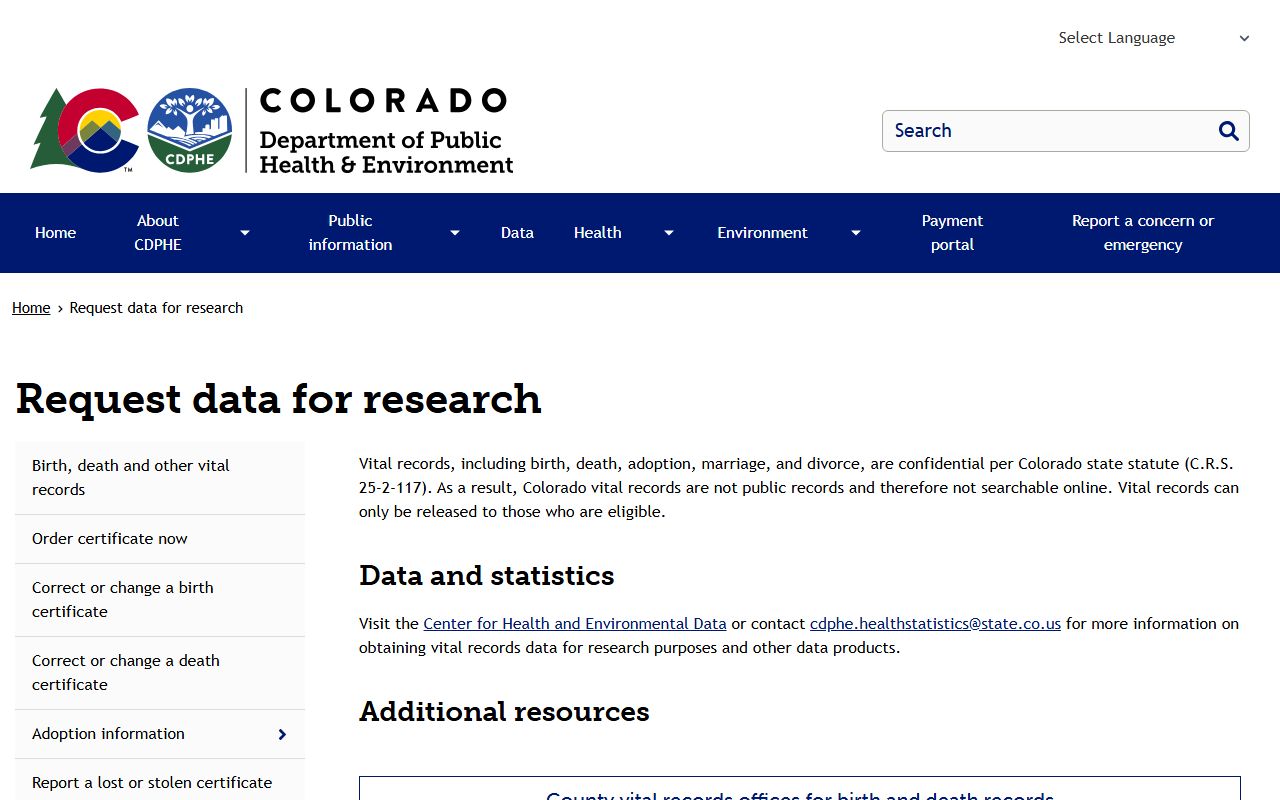
The Colorado Department of Public Health and Environment offers divorce verifications. These differ from full court records. A verification confirms the divorce happened. It lists basic facts only. You will see the divorced parties' names. The date of dissolution appears. The granting county is named. This document suits many needs.
CDPHE maintains a statewide index. All Colorado divorces are included. Pueblo County cases appear here. The index goes back many years. Records are added continuously. Clerks forward dissolution reports under C.R.S. § 14-10-120. This creates the central database. You can search any Colorado divorce.
Mail requests go to Denver. The address is Vital Records Section, 4300 Cherry Creek Drive South, Denver, CO 80246. Include a completed application. Send $17 payment per verification. Make checks payable to Vital Records Section. Allow several weeks for processing. Certified mail provides tracking.
Note: Pueblo residents can obtain divorce verifications from CDPHE for any county in Colorado, not just Pueblo County.
Online Search Tools for Pueblo Divorce Cases
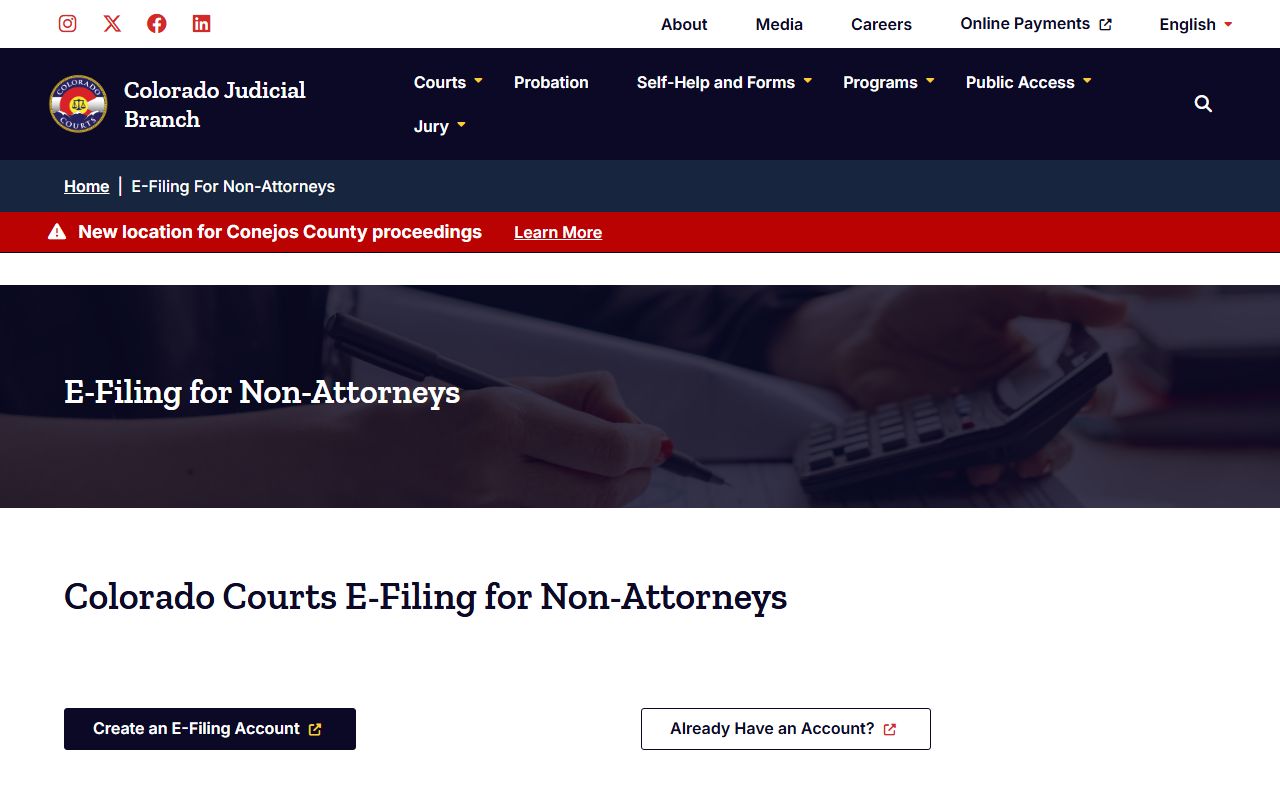
The internet simplifies record searching. Colorado provides free docket lookups. Visit the Judicial Branch website. Click the docket search feature. Enter names or case numbers. Pueblo County cases appear in results. Basic information displays immediately. No account is needed. No fees are charged.
Docket entries show limited details. You will see case numbers. Filing dates are listed. Current status is displayed. Party names appear clearly. Attorney information may show. This confirms a case exists. It tells you where records are stored. Full documents need direct court contact.
CoCourts.com provides enhanced access. This system charges search fees. Registers of action are available. These detail case proceedings. Filings are listed chronologically. Hearings are scheduled and noted. Dispositions appear when entered. Financial details remain private. Document images are not viewable.
Successful searches need good data. Gather complete legal names. Include maiden names when known. Estimate the divorce year range. Ten-year spans work well. Know which county handled the case. Pueblo County serves most local residents. Bring patience to your search. Old records take more time.
Colorado Divorce Laws Affecting Pueblo Residents
State law creates uniform divorce rules. C.R.S. § 14-10-106 sets residency requirements. One spouse must live in Colorado. The period is 91 days minimum. Pueblo residents meet this easily. They file in Pueblo County District Court. The filing party must be the resident.
Children face longer residency rules. They need 182 days in Colorado. This applies to custody jurisdiction. Courts prevent competing state orders. The extended period ensures stability. Children need consistent home states. Parents cannot shop for favorable courts. This protects children's best interests.
Waiting periods are mandatory. Colorado requires 91 days minimum. This starts at petition filing. It also starts at service on the other party. Courts cannot rush this time. The delay allows reflection. Some couples reconcile. Most negotiate settlements. The period ensures thoughtful decisions.
Colorado operates as a no-fault state. C.R.S. § 14-10-110 establishes this standard. Courts do not assign blame. Adultery is not considered. Abandonment does not matter. The marriage must be broken. Both parties can state this. One party can testify to it. Fault does not affect outcomes.
Note: Pueblo divorces require a mandatory 91-day waiting period before the court can finalize the dissolution.
Types of Pueblo Divorce Records Available
Several document types exist in divorce cases. The decree of dissolution is paramount. This court order ends the marriage. A judge signs it personally. It contains all final orders. Parental responsibilities are allocated. Child support is calculated. Property is divided. Debts are assigned. This paper proves you are divorced.
The petition begins every case. One spouse files this document. It states the marriage is broken. Basic facts are listed. The date of marriage appears. Children's names are included. Property claims are outlined. The petitioner requests relief. The other spouse must respond.
Settlement agreements end most cases. Spouses negotiate terms together. They divide all marital property. They allocate marital debts fairly. Parenting plans are created. Child support follows state guidelines. Spousal support may be agreed. Judges review these contracts. Fair agreements become court orders.
Complete case files hold more papers. Financial disclosures are required. These show all assets and debts. Motions request specific actions. Responses argue against motions. Orders direct party conduct. Subpoenas compel witness testimony. The full record tells the story.
Fees for Pueblo Divorce Records and Services
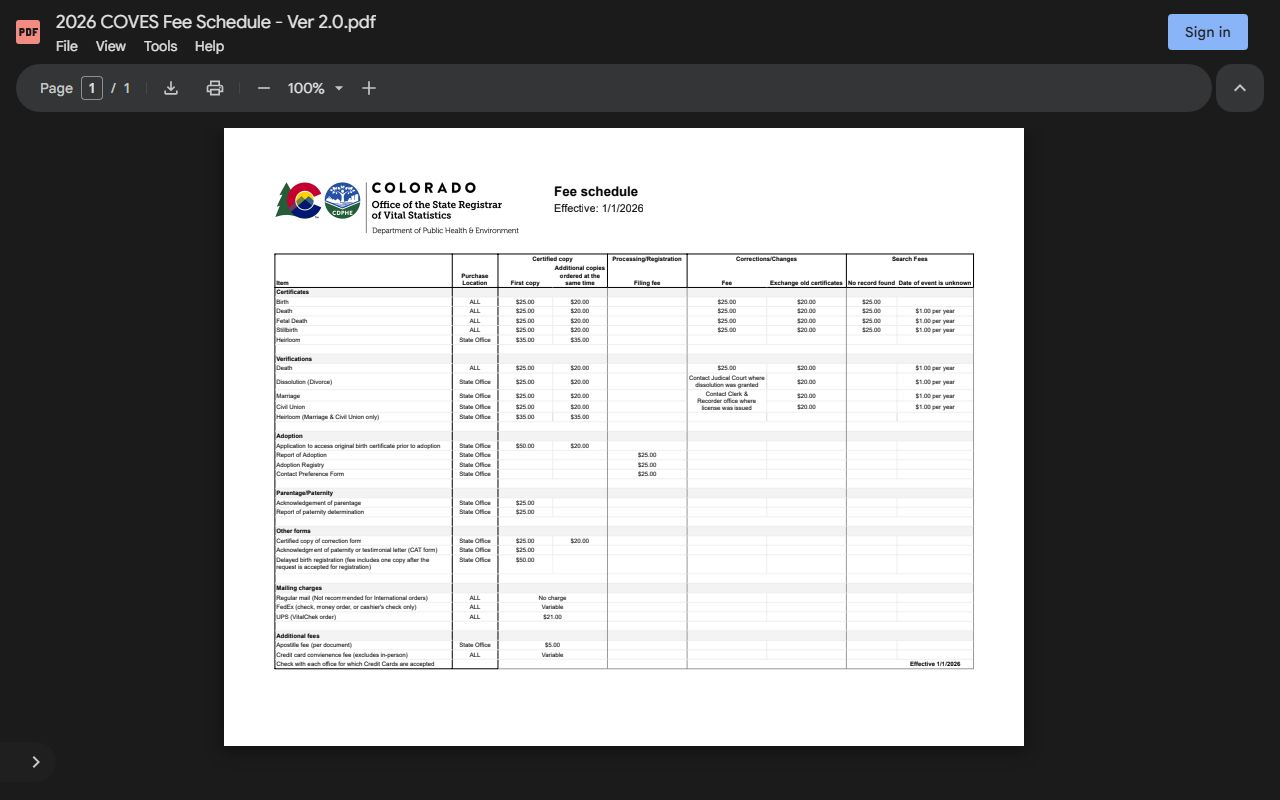
Costs vary by service type. CDPHE verifications cost $17. This state fee is non-refundable. Payment options depend on method. Mail orders use personal checks. Money orders are accepted. Online orders use credit cards. Processing fees add costs. Plan your budget accordingly.
Court filing fees differ by action. New divorce petitions cost $260. This increased in January 2025. House Bill 2024-1286 raised fees. Responses to petitions cost $146. Modifications cost $105 if filed late. Name restoration is free timely. These fees support court operations. The legislature sets the amounts.
Copy fees are more reasonable. Regular copies cost $0.25 per page. Most documents span multiple pages. Certified copies cost $20 each. These bear official court seals. They work for legal purposes. Exemplified copies cost $20. Research fees apply after one hour. Staff time costs $30 hourly.
Fee waivers help low-income residents. You must prove financial hardship. Complete the waiver form. File it with your petition. A judge reviews your request. Waiver approval covers filing fees. Copy fees may still apply. Ask the Clerk for forms. Submit them early in your case.
Getting Help With Pueblo Divorce Records
Many people need guidance navigating records. Court staff provide procedural help. They explain office processes. They show how to use indexes. They describe copy request forms. They cannot offer legal advice. They will not interpret documents. You must understand your own needs.
Self-help centers assist many litigants. These centers offer form packets. Instructions are included. Some locations provide computers. You can access online resources. Staff explain filing procedures. They do not complete forms for you. Check availability before visiting. Hours vary by location.
Legal aid organizations serve eligible people. Colorado Legal Services helps low-income residents. They handle family law cases. Divorce record questions are common. They assist with modifications too. Services are free for qualifiers. Income limits apply. Contact them to learn more.