
Access Larimer County Divorce Records
Larimer County divorce records are held at the District Court in Fort Collins. This northern Colorado county has a large population. The court processes many divorce cases annually. Records document legal marriage dissolution. Residents need these papers for remarriage, name changes, and legal purposes. The courthouse provides public access. Knowing the steps streamlines your search.
Larimer County Divorce Court Locations
The 8th Judicial District serves Larimer County. Multiple courthouses handle cases. The main facility is in Fort Collins. Loveland also hosts court operations. Divorce filings go through these locations.
The Larimer County Justice Center in Fort Collins is the primary site. The clerk's office processes record requests here. They maintain extensive files. Modern systems help locate cases quickly. Older records are archived but accessible.
Both locations offer parking. Public transit serves the Fort Collins courthouse. Accessibility features are present. Staff assist visitors during business hours. Call to confirm which location holds specific records. The Fort Collins location handles the majority of divorce cases. Loveland primarily supports overflow and specific case types. Understanding this distribution helps you choose the right location for your search.
Requesting Larimer County Divorce Documents
Options exist for obtaining copies. Consider your needs.
In-person visits yield fastest results. Go to the clerk's office. Show identification. Provide case information. Staff retrieve and copy records. Pay the fees. Leave with your documents.
Mail requests work from anywhere. Complete the judicial branch form. Include payment and a return envelope. Processing takes several weeks. Distance requests require patience.
Phone calls prepare you for visits. Staff confirm record locations. They explain requirements. This prevents unnecessary trips. You can also ask about estimated wait times. Some days are busier than others. Midweek visits often have shorter lines. Morning hours typically see less traffic than afternoons.
Fees for Larimer County Divorce Copies
Costs follow state standards. Current fees apply.
Standard pages cost $0.25 each. Decrees have multiple pages. Certified copies are $20. The seal confirms authenticity. Legal matters need certified copies. Personal records may use standard copies.
Payments accepted include cash, checks, and money orders. Make checks to Larimer County District Court. Credit cards may be available. Verify beforehand. Exact change speeds up cash transactions. Personal checks require valid identification. Money orders provide security for larger amounts. The clerk's office can provide current fee schedules upon request.
Note: Larimer County offers fee waivers for qualified applicants. Financial hardship forms are available at the clerk's office.
Online Searches for Larimer County Divorces
Digital tools assist case location. Use them to prepare.
The state docket system is free. Access coloradojudicial.gov/dockets. Search names. Find case numbers and status. Basic facts are free. Full records need court visits.
CoCourts.com offers detailed data. Subscribers access party information. Case histories are visible. Document indices are provided. Fees apply. Frequent users benefit.
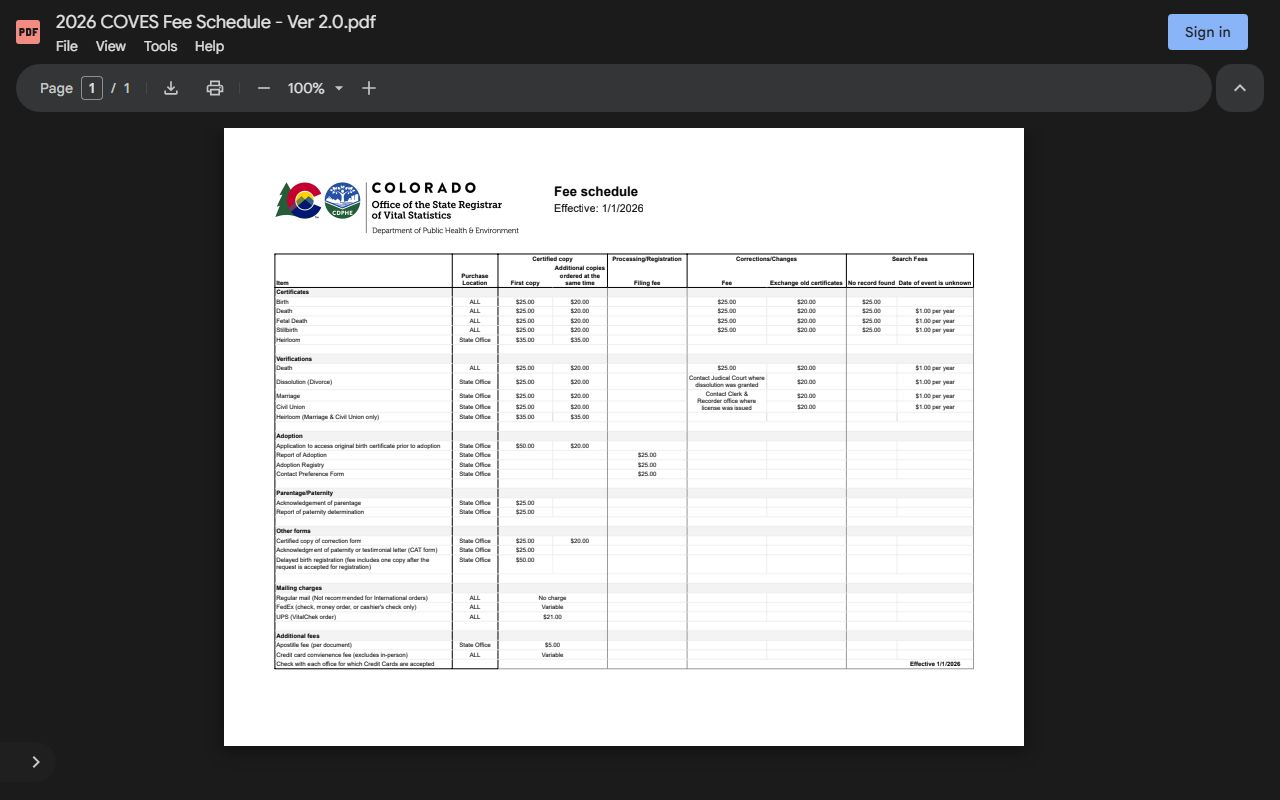
For verifications, contact CDPHE. The Colorado Department of Public Health and Environment provides verification letters. These prove divorce occurred. They differ from certified decrees. The cost is $17 per C.R.S. § 25-2-117. Call 303-692-2200. Office is at 4300 Cherry Creek Drive South, Denver. Or order via VitalChek. Verification letters serve many purposes. Employers may accept them for name changes. Government agencies often find them sufficient. However, court proceedings usually require full certified decrees from the District Court.
Colorado Divorce Laws and Larimer County
Statutes control all proceedings. Larimer County follows state law.
C.R.S. § 14-10-106 sets residency rules. Colorado residence for 91 days is required. This must precede filing. Another 91 days follows filing. Then courts may finalize. This applies statewide.
C.R.S. § 14-10-120 mandates reporting. Clerks notify the state registrar. Decrees are recorded. Vital statistics stay current.
Chief Justice Directive 05-01 governs access. Public records are open. Privacy is protected. Sealed records restrict access. Financial and custody details often stay private. Basic information is public. Parties can request sealing of specific documents. This requires court approval. The judge weighs public interest against privacy concerns. Sealed records remain confidential even from public view. Only parties and their attorneys may access them.
Larimer County Divorce Records FAQ
Common inquiries have clear answers.
How extensive are the archives? Larimer County formed in 1861. Records span from early settlement. Volume increased with population growth.
Can anyone view records? Most are public. Sealed cases are limited. Parties and attorneys have access to sealed files.
What without a case number? Staff search by name. Provide full names and dates. Search fees may apply.
How fast is service? Same-day for in-stock records. Archived files take longer. Call ahead for timeframes.
Additional Resources for Larimer County Records
More help is available. These resources aid searches.
Active cases use the e-filing portal. Parties file documents here. Current status is tracked. Historical records are not stored here.
The Colorado State Archives holds historical records. Microfilm collections are large. Old divorces are preserved. Genealogists use this resource.