
Sedgwick County Divorce Decrees Location
Sedgwick County sits in the northeastern corner of Colorado along the Nebraska border. The county seat in Julesburg hosts the District Court where all divorce records are archived. This agricultural community processes dissolution cases through the 13th Judicial District. Records from these proceedings remain available to qualified requesters. The clerk maintains complete case files in accordance with Colorado retention requirements.
Sedgwick County Court Location Details
The 13th Judicial District covers Logan, Morgan, Phillips, Sedgwick, Washington, and Yuma counties. Sedgwick County operates a courthouse in Julesburg serving the county's rural population.
The courthouse is located in the town of Julesburg. This small facility handles all district court matters for the county. Court hours are Monday through Friday during standard business times.
The clerk's office preserves all divorce case files. Documents include petitions, decrees, and all case filings. Rural counties like Sedgwick often provide personalized service. Staff are familiar with the local case history.
Ample parking is available near the courthouse. The building is accessible to all visitors. Security procedures are in place for public safety.
How to Request Sedgwick County Divorce Records
Three methods exist for obtaining divorce documents. Each suits different situations.
In-person visits provide same-day service in most cases. Bring photo identification and case details. The clerk locates your file and produces copies. This method works best for urgent needs.
Mail requests serve distant requesters. Complete the court's record request form. Include payment and a self-addressed envelope. Processing takes several weeks. The official request form is available online.
Online verification offers limited information. The state provides verification through CDPHE. This confirms divorce occurrence but does not provide detailed case files.
Fees for Sedgwick County Divorce Documents
Courts charge fees for record access and copies. These costs offset administrative expenses. Current rates for Sedgwick County follow state guidelines.
Standard copies cost twenty-five cents per page. Divorce decrees often span ten to twenty pages. Complete case files may run much longer. Budget accordingly for multi-page documents.
Certified copies carry a $20 charge per document. Certification adds an official seal. Most agencies require certified copies for legal purposes. The seal proves authenticity to employers, courts, and government offices.
Payment options include cash, check, and money order. Credit card acceptance varies. Call the clerk's office to confirm payment methods before visiting.
Note: Colorado law provides fee waivers for indigent requesters who qualify through proper application.
Statewide Search Tools for Sedgwick Cases
Colorado offers digital tools for locating divorce cases. These systems supplement direct court requests.
The Colorado Judicial Branch maintains a free docket search. Access it at coloradojudicial.gov/dockets. Enter names or case numbers to find basic information. The system shows filing dates, parties, and case status. No account is required for basic searches.
CoCourts.com offers enhanced search capabilities. This paid service provides detailed case information. Researchers and attorneys often subscribe for frequent access. The platform indexes cases from courts across Colorado, including Sedgwick County.
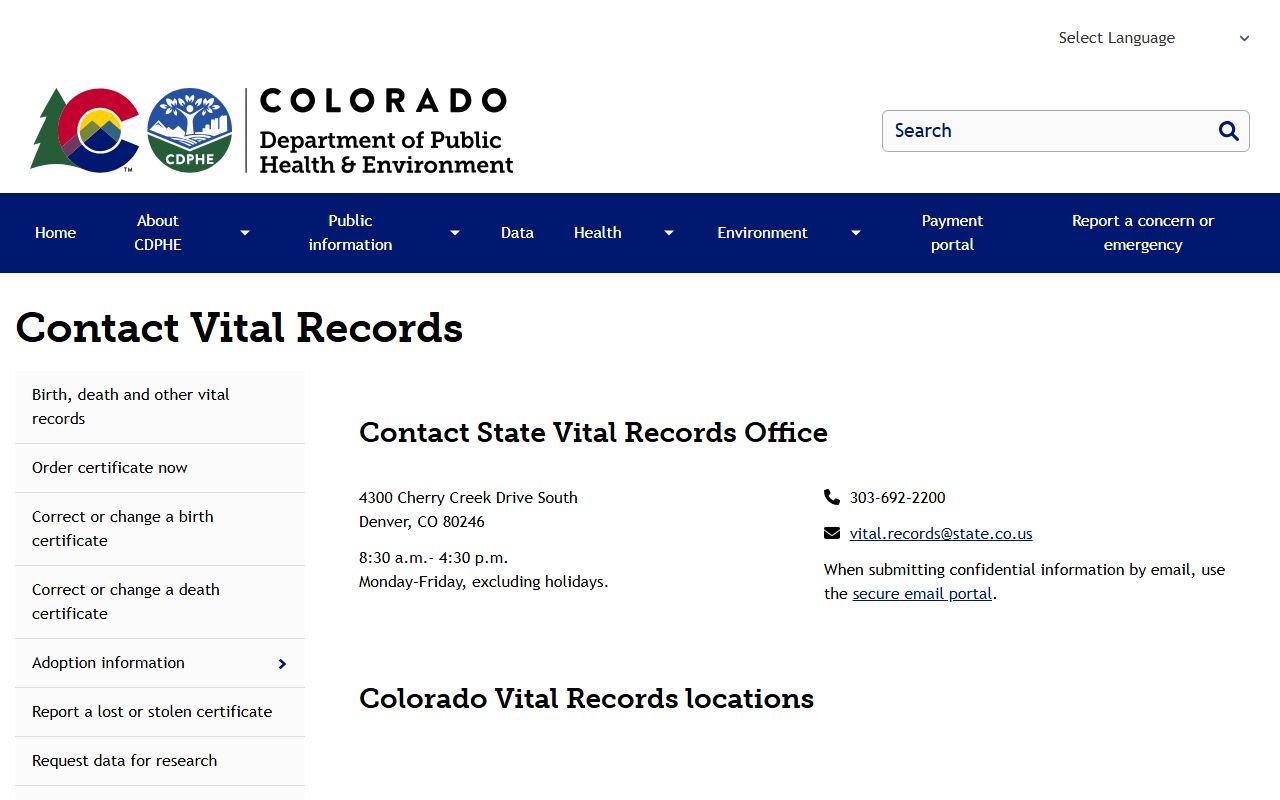
For official verification letters, contact CDPHE Vital Records. Their office at 4300 Cherry Creek Drive South in Denver processes these requests. Call 303-692-2200 for assistance. Verification costs $17 and confirms divorce dates without providing full case details. VitalChek handles online orders for added convenience.
Understanding Colorado Divorce Requirements
Colorado law establishes specific rules for divorce proceedings. These statutes affect how records are created and maintained.
The 91-day residency requirement appears in C.R.S. § 14-10-106. Spouses must live in Colorado for three months before filing. This rule prevents forum shopping and ensures proper jurisdiction. Courts cannot grant divorces without meeting this threshold.
The same statute mandates a 91-day waiting period. Decrees cannot issue until this period passes. The delay allows time for reconciliation or settlement negotiations. Some cases resolve faster, but the decree date must respect this minimum.
C.R.S. § 25-2-117 protects vital records confidentiality. Divorce verifications fall under this protection. Requesters must demonstrate direct and tangible interest. This statute prevents identity theft and privacy violations.
C.R.S. § 14-10-120 requires clerks to report all divorces to the state registrar. This reporting maintains accurate vital statistics. The process ensures statewide consistency in record keeping.
Historical Records and Archives
Sedgwick County was established in 1889. Earlier records may exist in parent counties. The Colorado State Archives preserves historical court documents from across the state.
Researchers seeking very old cases should contact the State Archives. Visit colorado.gov/archives for access information. Their collection includes microfilmed records from many rural counties.
Contact Information for Assistance
Multiple resources help with divorce record questions. Keep these contacts available.
The State Court Administrator provides general court information. Call 720-625-5000 for statewide assistance. They direct callers to correct local offices.
CDPHE Vital Records answers verification questions. Reach them at 303-692-2200. Their Denver office operates during business hours.
The e-filing portal serves parties with active cases. File documents and check status online. Historical records are not available through this system.